
Why VHS Tapes Are Deteriorating Faster Than Most People Realize
For many families, old VHS tapes hold some of life’s most important memories—weddings, birthdays, graduations, family vacations, first steps, holiday gatherings, and the voices of loved ones who may no longer be here. These tapes often sit quietly in closets, garages, storage bins, and attics for decades, waiting for “someday” to be transferred.The problem is: VHS tapes do not last forever.At Vintage Audio Emporium, we work with customers every week who are surprised to learn that their home videos are already beginning to deteriorate. Many assume that if a tape looks fine on the outside, the video inside must still be safe. Unfortunately, magnetic tape degradation often happens long before visible damage appears.If you have old VHS tapes, the best time to preserve them is now.
How Long Do VHS Tapes Last?
Most VHS tapes were never designed for long-term archival storage. While many people hear that VHS tapes can last “20 to 30 years,” the real answer depends heavily on:
storage conditions
humidity and temperature
mold exposure
tape quality
playback history
the condition of the original recording equipment
Even well-stored tapes can begin to suffer signal loss, binder breakdown, and playback instability after a few decades.Many family tapes from the 1980s, 1990s, and early 2000s are now entering the danger zone for permanent loss.
What Causes VHS Tape Deterioration?
1. Magnetic Signal Loss
VHS uses magnetic particles to store video and audio information. Over time, these particles weaken and lose their ability to hold a strong signal.This can cause:
faded picture quality
color loss
audio dropouts
static lines
flickering
complete signal failure
Once the magnetic information is lost, it cannot be restored.
2. Binder Breakdown
The magnetic coating on VHS tape is held together by a chemical binder. As tapes age, this binder begins to break down.This can lead to:
sticky tape shedding oxide
squealing during playback
tape sticking to VCR heads
tape jams
permanent destruction during playback
This is one reason old tapes should never be tested casually in a random VCR.
3. Mold Growth
Garage storage, basements, and humid climates create ideal conditions for mold.Mold contamination can:
permanently damage the tape surface
spread to other tapes
destroy playback machines
require specialized cleaning before transfer
We regularly help customers who discover mold only after trying to play an old tape.
4. Physical Damage
Common problems include:
snapped tape
warped shells
broken pressure pads
damaged reels
creased tape
cracked cassette housings
Even tapes that appear minorly damaged can fail during playback if handled incorrectly.
Why Waiting Makes Recovery Harder
Many people plan to digitize “eventually.”Unfortunately, every year increases the risk that:the tape becomes unrecoverable.
the original camcorder or VCR becomes harder to find
compatible professional playback equipment becomes rarer
repair costs increase
restoration becomes impossible
The truth is simple:
VHS tapes are not improving with age.
They are getting worse.
Why DIY VHS Conversion Often Fails
Many people try inexpensive USB capture devices or old consumer VCRs from a garage sale.This often leads to disappointing results because:
cheap capture devices introduce poor compression
unstable tracking creates skipped frames
no time base correction causes signal error
slow-quality VCRs damage fragile tapes
poor audio capture creates hiss and distortion
composite-only transfers reduce image quality
Professional VHS digitization is about far more than simply “pressing play.”The playback deck matters.The signal chain matters.The capture process matters.
Why Professional Equipment Makes a Huge Difference
At Vintage Audio Emporium, we use professional and broadcast-grade transfer equipment specifically designed for accurate preservation.This includes:
high-end archival playback decks
professional S-Video signal paths
time base correction (TBC) workflows
high-quality analog-to-digital conversion
proper tape handling for fragile media
restoration-aware transfer practices
Many damaged or unstable tapes simply cannot be captured properly using standard consumer equipment.Professional playback often makes the difference between a clean recovery and a lost memory.
Some Tapes Should Be Prioritized First
If you have a large collection, start with the most irreplaceable recordings:
Highest Priority VHS Tapes to Digitize
wedding videos
grandparents and family interviews
childhood home movies
baby videos
school performances
graduations
holiday gatherings
rare performances or music recordings
family history footage
tapes from relatives who have passed away
These are the tapes people regret losing most.
Signs Your VHS Tape Needs Immediate Attention
If you notice any of these signs, do not wait:
fuzzy playback
distorted sound
tape squealing
VCR eating the tape
visible mold
sticky movement when rewinding
warped cassette shell
broken tape flap
missing pressure pad
Stop playback immediately and have the tape evaluated properly.Repeated attempts can make recovery worse.
Protecting Your Family History
Your VHS tapes are more than old media—they are original family archives.Once they are gone, they are gone.Digitizing your tapes preserves:
your family history
important life milestones
voices that can never be recorded again
memories future generations deserve to experience
This is preservation, not just conversion.
Vintage Audio Emporium: Professional VHS Digitization You Can Trust
At Vintage Audio Emporium, we specialize in preserving analog media before it is lost forever.We work with:
VHS
VHS-C
Hi8
Video8
MiniDV
cassette tapes
reel-to-reel tapes
MiniDisc
DAT
and many other legacy formats
Every project is handled with care because we understand these recordings are often irreplaceable.We help families, collectors, musicians, and archivists safely preserve their media with professional-grade workflows designed for long-term quality—not cheap one-size-fits-all transfers.
Don’t Wait Until It’s Too Late
The most common thing we hear is:
“I wish I had done this sooner.”
If your tapes are 20, 30, or even 40 years old, now is the right time.Before the signal fades.Before mold spreads.Before the machine eats the tape.Before the memory is gone.If you’re ready to preserve your VHS tapes and protect your family history, visit Vintage Audio Emporium and let us help you save what matters most.
Old VHS tapes are quietly deteriorating every year, even if they’ve been stored safely on a shelf. At Vintage Audio Emporium, we help preserve those irreplaceable family memories before fading video, mold, or tape damage makes recovery impossible.
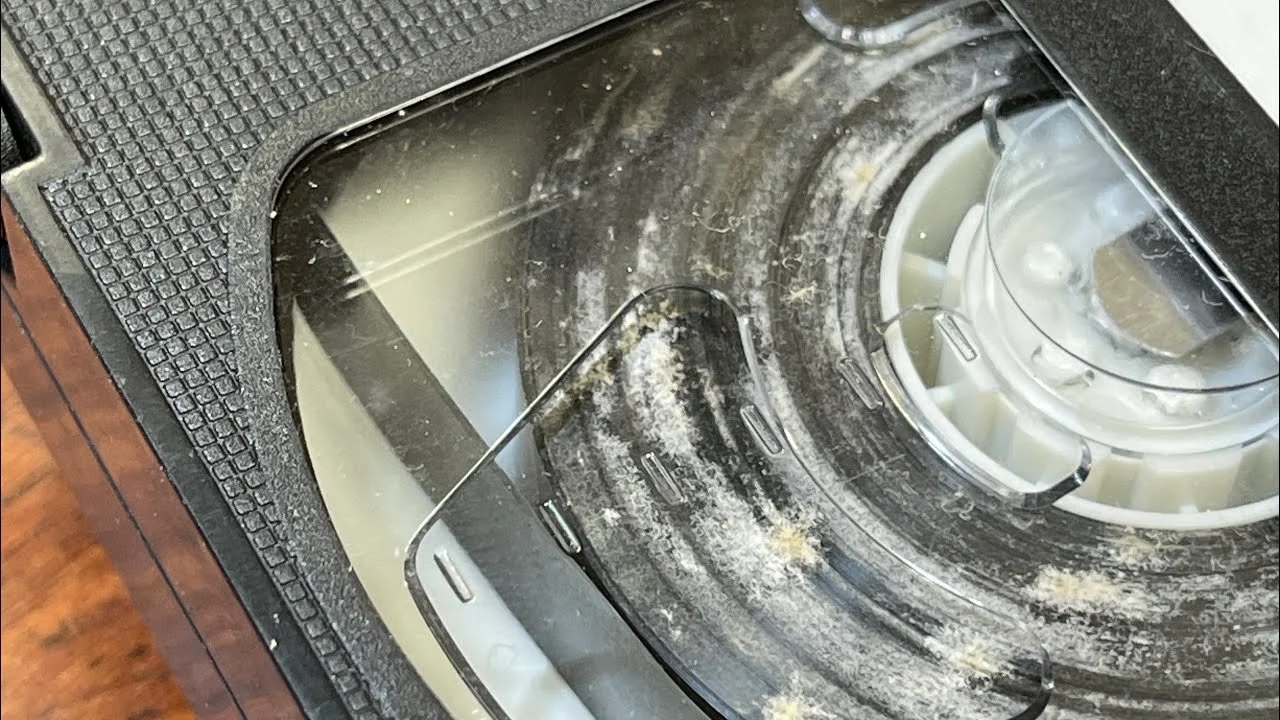
VHS tapes can acquire damage quicker than you think
Some of our Services


Featured



Digitization for ALL audio and video formats.
Once we are done digitizing we send email link to file. For USB or DVD/CD copies, please select in options.
Once we receive order, you will receive a FREE shipping label to your email address within 24 hours. Simply print that out, slap on a box and send your items to us. We will ship back once we’re done free of charge within the United States!
Audio: Cassette, Microcassette, Minicassette, 8 Track, DAT Tape, Reel to Reel all sizes, Digital Compact Cassette, Elcaset. MiniDisc
Video: VHS, VHS-c, Mini-DV, DVCam, DVCPro, Hi8, Digital8, Betamax, Betacam, Betacam SP, DigiBeta, Umatic, 8mm film, 16mm film